


If you own, manage or look after a building with a lift, there’s a good chance you have legal responsibilities you didn’t realise came with the job. The main one is LOLER, and getting it wrong can mean enforcement action, prosecution and a lift that has to be taken out of service.
This guide explains what LOLER means for lifts in plain English, so you know what’s required and how to stay on the right side of it.
What is LOLER?
LOLER stands for the Lifting Operations and Lifting Equipment Regulations 1998. It applies across Great Britain and covers lifting equipment used at work, including passenger lifts, goods lifts, platform lifts and hoists. The Health and Safety Executive (HSE) enforces it.
The core requirement for lifts is simple. Under Regulation 9, any lift provided for use in work activities must be thoroughly examined by a competent person at set intervals. This applies whether the lift carries people or goods.
Who is the duty holder?
The duty holder is whoever is responsible for the safe operation of the lift. That’s usually the owner, but it often includes the facilities manager, building manager or managing agent too. HSE guidance specifically names facilities managers and supervisors in this group.
As a duty holder, you’re responsible for:
- Making sure the lift is examined at the required intervals
- Choosing a competent person to carry out the examination
- Acting on any defects that are reported
- Keeping records of examinations and follow-up work
Handing day-to-day lift care to a contractor doesn’t remove these duties. If you’re named as the responsible party, the legal responsibility stays with you.
How often does a lift need a LOLER inspection?
The intervals depend on what the lift carries:
- Every 6 months for lifts that carry people (or lifting equipment used to lift people)
- Every 12 months for lifts that only carry goods
Your lift may follow a written examination scheme drawn up by a competent person, which can set different intervals based on risk. If you don’t have a scheme, the 6 and 12 month limits apply.
A thorough examination is also needed before a lift is used for the first time, and after any substantial change or event that could affect its safety. If you’ve had major repairs, modifications or an incident, speak to your lift provider about whether an examination is due.
What happens during a thorough examination?
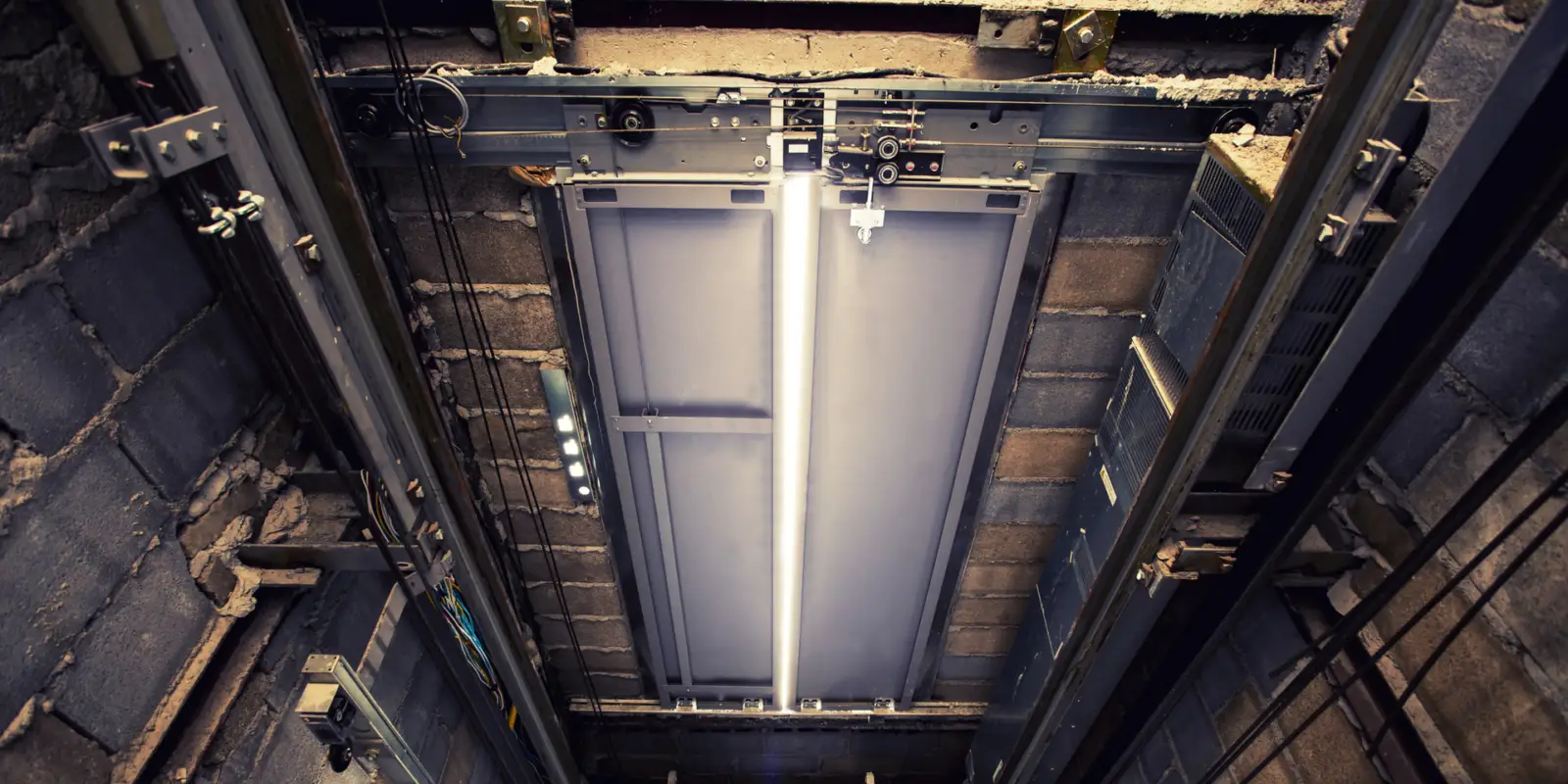
The competent person looks at the whole lift, not just whether it runs. They assess the condition and safety of the key components, which typically include the lift car, ropes or chains, doors and interlocks, safety devices, controls and the machine room.
The aim is to find defects that could cause danger before they become a problem. You’ll receive a written report of the findings. If a defect poses an existing or imminent risk of serious injury, the examiner must report it to you and to the enforcing authority.
LOLER inspection vs routine maintenance
These two are often confused, but they do different jobs.
Routine maintenance keeps the lift working reliably. It covers servicing, lubrication, adjustments and replacing worn parts, and it’s usually done by your lift maintenance contractor.
A LOLER thorough examination is an independent safety check of the lift’s condition. It tells you whether the lift is safe to keep using. It doesn’t replace servicing, and servicing doesn’t replace it.
You need both. A well-maintained lift can still fail an examination, and a lift that passes today can still break down if it isn’t serviced. If you’re unsure whether your maintenance contract covers examinations, check the terms, because many do not.
What happens if your lift fails an inspection?
If the examination finds a defect, the report will set out what needs fixing and how urgently. Serious defects may mean the lift must be taken out of use until repairs are made. Less urgent issues come with a timescale for correction.
This is where a provider with in-house repair capability saves time, because the lift can be put right and back in service sooner. If you ever need urgent help, our 24/7 lift callout service is there for breakdowns.
What are the penalties for non-compliance?
The HSE can serve improvement and prohibition notices, and can prosecute duty holders who fail to meet their obligations. Fines for health and safety offences can be unlimited, depending on the severity and the size of the organisation.
Beyond the legal side, there’s the practical impact. A lift taken out of service can affect accessibility, tenants, staff and visitors, and an overdue examination can create problems with insurers too. In one HSE case, a company was fined after leaving overdue examinations on at least 14 items and failing to comply with an improvement notice.
How to choose a competent inspection provider
When choosing who examines your lifts, look for:
- Clear evidence of competence, qualifications and experience with your type of lift
- Recognised accreditations and a strong health and safety record
- Clear, readable reports that tell you exactly what action is needed
- A reliable process for scheduling examinations so none are missed
- The ability to carry out repairs quickly if defects are found
At Green Elevator Services, we’re SafeContractor, CHAS and ISO accredited and support duty holders with LOLER inspections, lift maintenance, repairs and modernisation. We work with commercial and residential sites in Cardiff, London, Manchester and beyond.
Book your LOLER inspection
Not sure when your lift was last examined, or whether your current arrangements meet the regulations? We can review your position and make sure nothing is overdue.
Find out more about our LOLER inspections or get in touch with our team to arrange an examination.
Where We Work
📍M4 Corridor - South Wales, West Wales | South East, South West England, South Coast & Greater London.